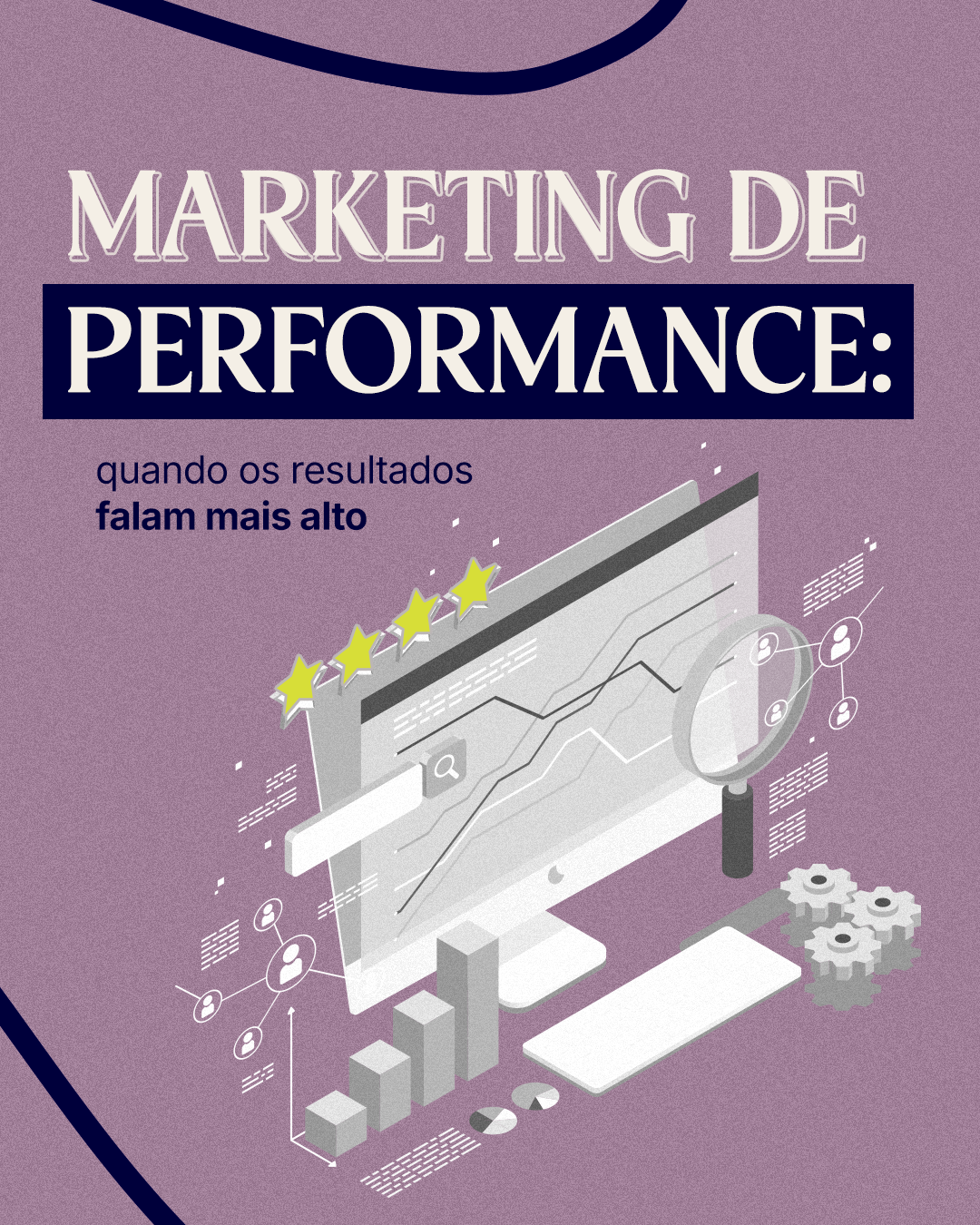
In a landscape where competition is fierce and consumer attention is limited, performance marketing stands out as a data-driven, results-oriented approach focused on return on investment. Unlike traditional campaigns, where impact is often difficult to measure, this methodology puts metrics at the heart of the action: every click, lead, or sale counts — and is analyzed.
What Performance Marketing Is and How It Works
Performance marketing is based on the idea that every advertising action should be measurable. This means that companies invest based on clear objectives — such as generating leads, increasing sales, or driving app downloads — and pay only for the results achieved. Platforms like Google Ads, Meta Ads (Facebook and Instagram), LinkedIn Ads, and affiliate networks operate under this logic.
More than simply running campaigns, performance marketing involves a comprehensive strategy: audience analysis, choosing the right platforms, defining KPIs, creating persuasive ads, and continuous optimization. It’s a process that combines creativity with technology and demands close monitoring of data to ensure maximum efficiency.
One of the great advantages of this approach is the ability to quickly test different ads, audience segments, and messages. By identifying what works best, the team can adjust campaigns in real time, improving performance and minimizing waste.
The Advantages of Investing in Performance Marketing
By choosing performance marketing, businesses gain greater control over both budget and outcomes. Unlike traditional models that charge for ad impressions or displays, this model focuses investment on specific actions — such as clicks or conversions.
In addition, performance marketing makes it possible to accurately identify which campaigns generate real returns, which audiences respond best, and which channels deliver the greatest cost-effectiveness. Based on this data, companies can make faster decisions, reduce risks, and scale what works.
Businesses focused on online sales, lead generation, subscriptions, or app downloads find in performance marketing a direct and intelligent way to accelerate growth. However, even institutional brands and local service providers can benefit from this approach — as long as there’s a clear conversion strategy in place.
Who Should Invest in Performance Marketing?
Any business aiming to grow with structure, predictability, and a results-oriented mindset can benefit from performance marketing. Startups, SMEs, and large brands alike use this methodology to test markets, validate products, build awareness, and scale operations.
If your company already invests in digital advertising but doesn’t effectively track results, it may be time to rethink your approach. Performance marketing turns data into decisions and campaigns into assets that deliver measurable returns. To achieve this, it’s essential to work with a specialized team experienced in data analysis, ad creation, and conversion funnel management.
Conclusion
Performance marketing is not a trend — it’s a paradigm shift. It’s about moving away from guesswork toward a system of action, measurement, and constant optimization. For companies looking to grow sustainably and intelligently, this is the ideal solution. With the right tools, a solid strategy, and expert guidance, performance marketing can turn every euro invested into tangible and lasting results.